



Conditions & Treatments
Microdiscectomy
Minimally Invasive Lumbar Disc Herniation Surgery
What Is a Microdiscectomy?
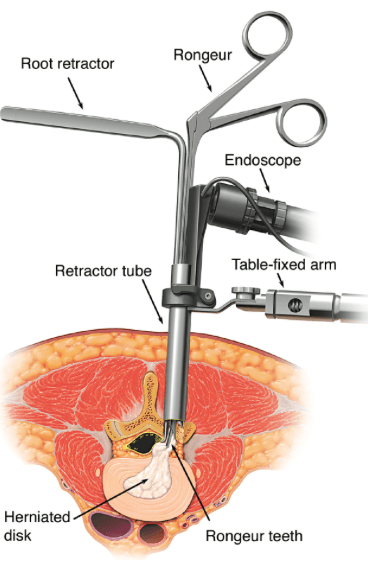
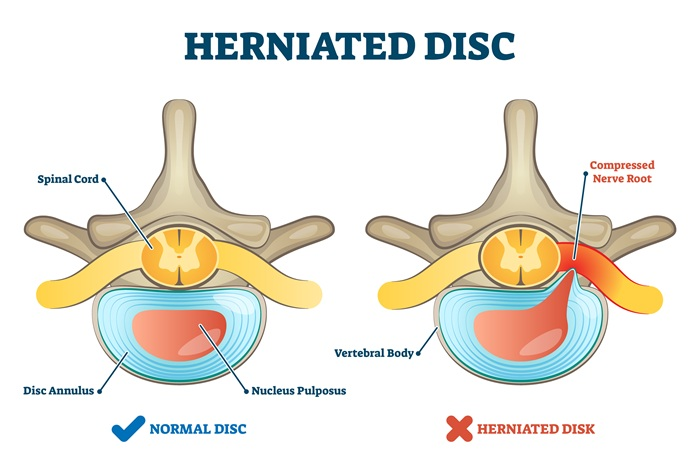
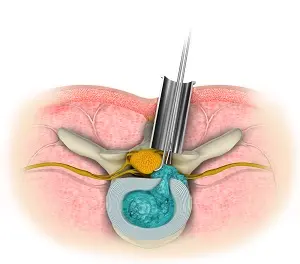
A microdiscectomy is a minimally invasive procedure that removes the small portion of herniated disc pressing on a nerve. The incision is about 1 inch, performed through a tubular retractor using a microscope.
Purpose: rapid relief of leg pain (sciatica).
Purpose: rapid relief of leg pain (sciatica).
Conditions Treated
• Lumbar herniated disc
• Sciatica
• Lumbar radiculopathy
• Nerve compression causing leg pain or numbness
• Sciatica
• Lumbar radiculopathy
• Nerve compression causing leg pain or numbness
How the Procedure Works
-
A small incision is made in the lower back.
-
A tubular retractor separates—not cuts—muscle fibers.
-
A microscope is used to remove the herniated disc fragment.
-
The nerve is gently decompressed.
-
Skin is closed with a few stitches.
Total operative time: 30–60 minutes.
Benefits
• Outpatient procedure
• Small incision
• Fast relief of leg pain
• Minimal blood loss
• Low complication rate
• Quick return to activity
• Small incision
• Fast relief of leg pain
• Minimal blood loss
• Low complication rate
• Quick return to activity
Recovery Timeline
• Walking the same day
• Return to desk work: 3–5 days
• Return to light activity: 2–3 weeks
• Full activity: 4–6 weeks
• Return to desk work: 3–5 days
• Return to light activity: 2–3 weeks
• Full activity: 4–6 weeks
Is a Microdiscectomy Right for Me?
Ideal for patients with:
• Leg pain > back pain
• MRI showing herniated disc
• Symptoms not improving with conservative care
• Leg pain > back pain
• MRI showing herniated disc
• Symptoms not improving with conservative care
Cervical Disc Replacement (TDR)
Motion-Preserving Neck Surgery
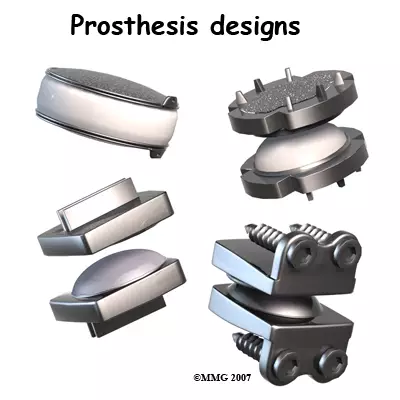
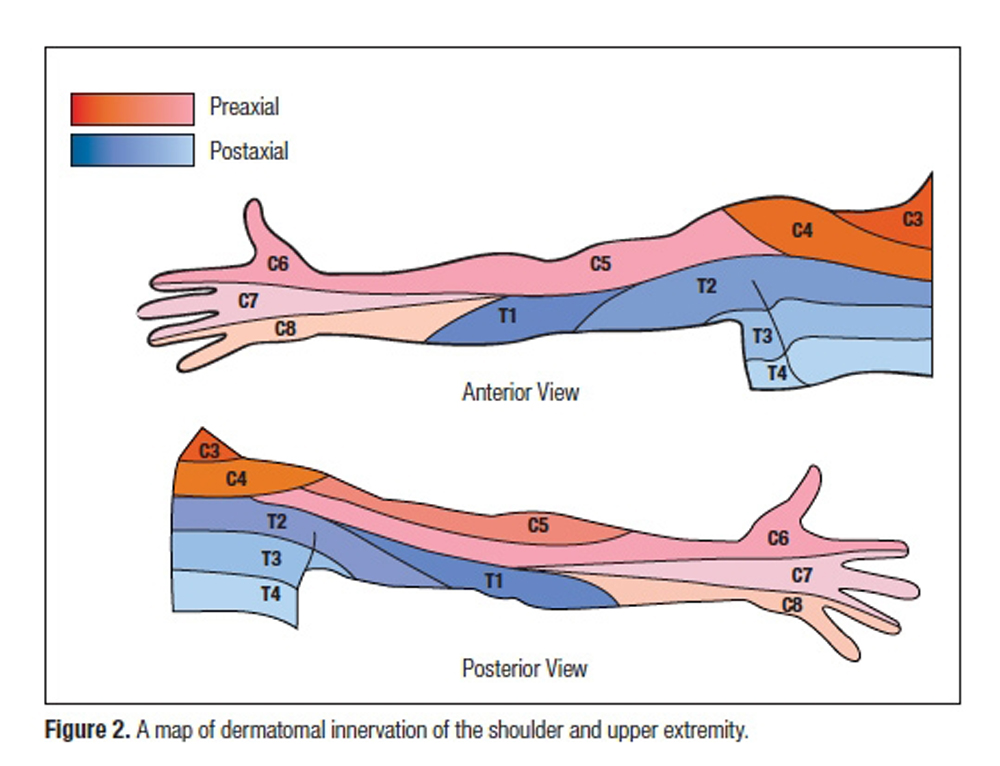
What Is Cervical Disc Replacement?
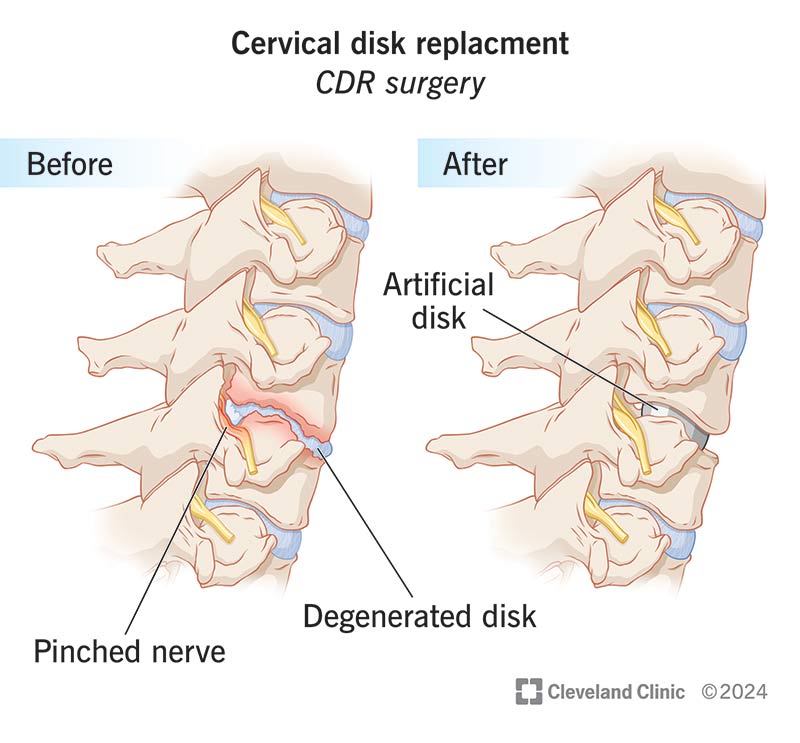
Cervical disc replacement (CDR or TDR) is a motion-preserving surgery where a damaged cervical disc is removed and replaced with an artificial disc implant.
This relieves nerve/spinal cord compression while maintaining natural neck motion.
This relieves nerve/spinal cord compression while maintaining natural neck motion.
Conditions Treated
• Cervical disc herniation
• Arm pain/tingling due to nerve compression
• Cervical radiculopathy
• Cervical myelopathy in select cases
• Arm pain/tingling due to nerve compression
• Cervical radiculopathy
• Cervical myelopathy in select cases
How the Procedure Works
-
A small incision is made on the front of the neck.
-
The damaged disc is removed.
-
Nerve roots and spinal cord are decompressed.
-
An artificial disc prosthesis is inserted.
Operative time: ~60 minutes.
Most patients go home the same day.
Benefits
• Preserves neck motion
• Faster recovery than fusion
• Lower risk of adjacent-level degeneration
• No collar required in most cases
• Outpatient option
• Faster recovery than fusion
• Lower risk of adjacent-level degeneration
• No collar required in most cases
• Outpatient option
Recovery Timeline
• Walking immediately
• Desk work: 3–5 days
• Driving: 1 week (once off pain meds)
• Full activity: 4–6 weeks
• Desk work: 3–5 days
• Driving: 1 week (once off pain meds)
• Full activity: 4–6 weeks
Is Cervical Disc Replacement Right for Me?
Ideal for patients under 70 with:
• Soft disc herniation on MRI
• Good bone quality
• Symptoms from one or two levels
• Soft disc herniation on MRI
• Good bone quality
• Symptoms from one or two levels